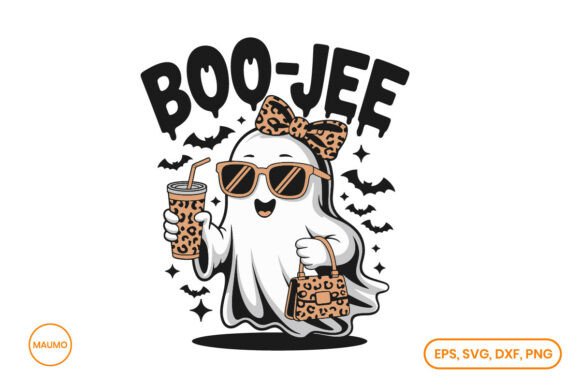
Funny Halloween, Leopard Print Clipart: Graphics for T-Shirt Designs
First Impression: Playful, Bold, and Unapologetically Festive
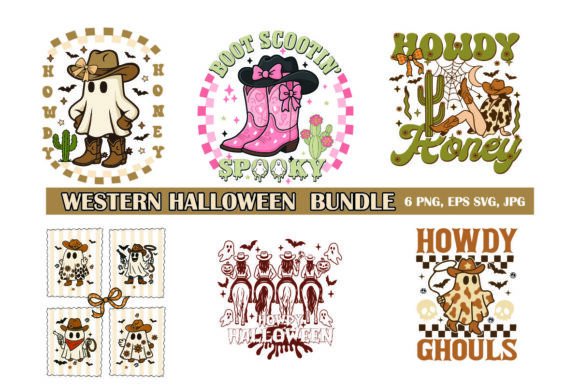
As a brand designer who’s developed visual systems for over a dozen local businesses—from indie candle studios to seasonal bakery pop-ups—I opened Funny Halloween, Leopard Print Clipart expecting campy charm. What I found was sharper than anticipated: a confident fusion of irreverent humor and high-contrast pattern energy. It reads as *playful but intentional*, not random clipart. The leopard print isn’t photorealistic—it’s stylized, rhythmic, and scaled to hold visual weight at both 2” and 24”. Paired with the “funny” Halloween motif (think grinning pumpkins, cheeky ghosts, or sassy bats integrated into the print), it suggests a brand personality that’s bold, approachable, and confidently un-serious—ideal for handmade soap brands launching limited-edition October scents, boutique gift shops curating seasonal collections, or coffee roasters rolling out “Spooky Roast” merch.
Where This Graphic Design Asset Earns Its Place in Real Local Business Branding
This isn’t just another digital product—it’s a versatile graphic design asset that strengthens small business branding across touchpoints. For a local skincare brand launching pumpkin-spice body scrub jars, Funny Halloween, Leopard Print Clipart works brilliantly as a secondary pattern on label borders, hang tags, and thank-you cards—adding texture without overwhelming clean ingredient typography. A children’s toy shop used it as a decorative frame around social media graphics announcing their “Boo & Browse” weekend event, instantly elevating their feed from generic to cohesive. In packaging design, it shines as an accent: think foil-stamped leopard motifs on kraft paper gift boxes for handmade candles, or as a subtle repeat pattern beneath transparent window stickers on mason jar labels. It also anchors hero graphics for email headers, Instagram story templates, and printable in-store posters—always reinforcing seasonal recognition while feeling authentically tied to the brand’s voice.
Real Impact on Customer Perception & Shelf Appeal
Small business owners often underestimate how much visual consistency builds trust. When Funny Halloween, Leopard Print Clipart is applied thoughtfully—say, repeated across a bakery’s cupcake wrappers, menu board icons, and staff aprons—it creates stronger first impressions and clearer visual hierarchy. Customers subconsciously register cohesion: “This shop plans its details.” That perception translates directly to perceived value, especially in competitive local markets like farmers’ markets or boutique districts. In product mockups, the clipart adds instant shelf appeal—its contrast and rhythm catch the eye faster than flat color blocks. And because it’s inherently festive yet distinctive, it supports emotional connection: playful nostalgia meets modern confidence, making seasonal promotions feel special, not salesy.
Best Use Cases for Maximum Brand Value
- Product labels & packaging accents: As a border, background texture, or corner motif on jars, bags, or boxes
- Seasonal campaign visuals: Social media banners, printable event posters, and email headers
- Boutique & retail visuals: Hang tags, receipt tape designs, and window decals
- Thank-you cards & printable inserts: Adds warmth and personality to post-purchase experience
- Product mockups: Gives realistic context when presenting new merchandise to vendors or investors
Use With Intention—Not Everywhere
This graphic design asset thrives where personality is welcome—but it shouldn’t dominate where clarity is critical. Avoid placing it directly behind dense ingredient lists, legal disclaimers, or fine-print terms. It’s not ideal for ultra-minimalist luxury brands or formal corporate partnerships. On very small labels (<1.5”), simplify: use only one motif (e.g., a single ghost) instead of the full pattern. And never assume it’ll read well on low-contrast backgrounds—test it over your actual brand colors before finalizing.
Practical Brand Designer Notes Before You Implement
Before integrating Funny Halloween, Leopard Print Clipart into live branding, run these checks:
- Test on real packaging mockups—not just screen previews—to assess scale, bleed, and print fidelity
- Check black-and-white usage: Does the pattern retain legibility and rhythm when converted?
- Preview on small labels—especially if using Cricut Explore or Silhouette Designer Edition for cut files
- Test alongside your brand fonts: Does it pair cleanly with serif, sans serif, script, or display type?
- Verify commercial license terms: Confirm you’re cleared for physical product sales, client work, and resale—this is essential for handmade business owners and local marketers
- Inspect SVG vector editability: Can you easily recolor, resize, or isolate elements without pixelation?
- Compare against competitor packaging: Does it differentiate your offering—or blend in?
This is perfect for printing on t-shirts, mugs, cushions, key holders, cards and any projects you might have. What you will get is SVG file – For Cricut Explore, Silhouette Designer Edition DXF file – giving you flexibility across cutting machines, design software, and scalable outputs. As a graphic design asset, it bridges digital convenience with tangible brand impact—especially when treated not as decoration, but as a deliberate part of your visual language.
Final Thought: A Seasonal Asset That Builds Long-Term Recognition
Many designers treat Halloween clipart as disposable—but Funny Halloween, Leopard Print Clipart has enough stylistic integrity to become a signature seasonal motif. When used consistently year after year across packaging, social media graphics, and in-store signage, it starts functioning like a mini-brand mark. That’s the power of thoughtful small business branding: turning a single graphic design asset into a recognizable thread across every customer touchpoint. For local business owners, handmade sellers, and creative entrepreneurs, this isn’t just clipart—it’s a tool for standing out, staying memorable, and celebrating your brand’s personality—without sacrificing professionalism.