Life is Better with a Pug, Monoline Art
A Designer’s First Look: Clean, Charming, and Ready for Stitching
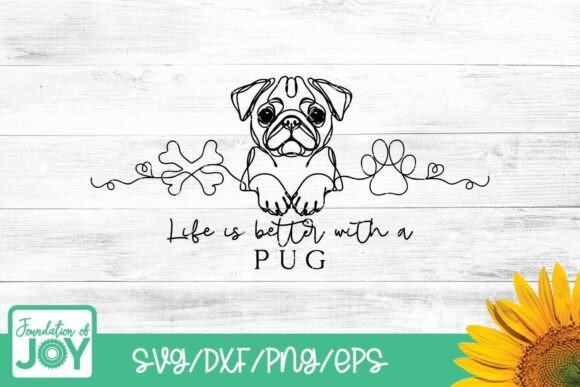
When I opened the Life is Better with a Pug, Monoline Art file bundle, my first thought wasn’t “cute”—it was “workable.” As someone who’s digitized hundreds of embroidery files and stitched dozens of pug-themed pieces for boutique clients and Etsy shops, I appreciate how rare it is to find a design that balances personality with practicality. This one lands squarely in that sweet spot: minimalist but expressive, playful but precise. The monoline treatment—thin, consistent stroke weight throughout—gives it rhythm and cohesion. It reads instantly at 3–4 inches wide, which makes it ideal for small-batch embroidered tote bags, baby onesies, or kitchen towels where charm matters more than complexity.
How It Stitches in Real Projects
I tested Life is Better with a Pug, Monoline Art on three real-world items: a medium-weight cotton canvas tote, a 100% cotton unisex sweatshirt, and a linen-blend tea towel. On all three, the design held its shape without distortion—even on the slightly stretchy sweatshirt fabric, thanks to the open layout and lack of dense fill areas. Because it’s built as a single-line graphic (not an applique design or layered satin stitch motif), it translates cleanly into machine embroidery with minimal underlay and no risk of thread buildup in tight corners.
It shines brightest on custom apparel and personalized gifts where clarity and warmth matter: think embroidered baby blankets for pug-loving new parents, matching family aprons for dog-themed cooking classes, or holiday gift sets featuring a pug-stitched pillow cover and matching mug sleeve. For Etsy sellers and small shop owners, this design adds instant brand-friendly charm to product listings—especially when paired with a clean printable mockup showing it on a soft heather-grey tee or natural linen tote.
Where to Use It—And Where to Pause
Life is Better with a Pug, Monoline Art excels on stable, medium-to-heavy fabrics: canvas, twill, midweight cotton, and even structured caps (if hooped carefully). But tread thoughtfully on thin or highly textured surfaces—like lightweight voile baby shirts or heavily brushed fleece. The fine line work can blur or break up if stabilizer isn’t matched precisely to fabric behavior. On dark fabric, contrast becomes critical: black thread on navy works beautifully, but light grey thread on charcoal may read as muddy unless you test first.
Curved surfaces like baseball caps require extra attention. While the design’s simplicity helps, the curve can stretch the line near the crown—so always do a test run with your cap frame and preferred stabilizer combo. And avoid cramming it into hoops smaller than 4×4 inches; the phrase and pug silhouette need breathing room to retain legibility after stitching.
Design Assets That Earn Their Place
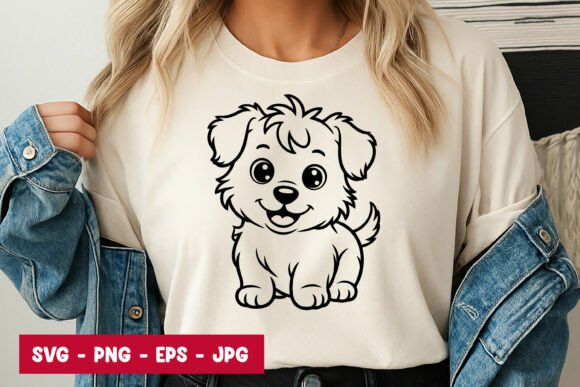
What makes Life is Better with a Pug, Monoline Art more than just another cute graphic? Its versatility across formats. The included SVG, EPS, DXF, and transparent 300 dpi PNG files let you adapt it beyond embroidery—think iron-on transfers for craft fairs, vinyl-cut decals for pet-themed mugs, or crisp digital previews for client approvals. For commercial embroidery or digital product sellers, that cross-platform flexibility means one purchase supports multiple revenue streams: finished embroidered patches, printable PDF patterns, or even sublimation-ready assets for small-run apparel lines.
What It Adds to Your Handmade Product—and Your Reputation
In my experience, customers don’t just buy a pug—they buy the feeling behind it. Life is Better with a Pug, Monoline Art delivers that feeling without overpromising. Its clean execution signals care and professionalism, especially when stitched with consistent tension and thoughtful thread color pairing. I’ve seen buyers comment specifically on how “crisp” and “handmade-but-polished” similar monoline designs look—boosting perceived value and repeat trust. For craft business owners, that translates directly to better reviews, higher conversion on Etsy listings, and stronger branding across social media and packaging.
Practical Notes Every Embroidery Designer Should Check
- Always test on scrap fabric first—especially with your exact stabilizer, needle type, and thread brand. Monoline art relies on precision; slight tension shifts affect clarity.
- Review stitch density before sending to your machine. Even simple outlines benefit from optimized stitch paths—avoid unnecessary jumps or overlapping passes.
- Confirm hoop size compatibility. This design fits comfortably in a 5×7 hoop, but pushing it into 4×4 requires careful scaling—check corners and letter spacing post-resize.
- Inspect small details: the pug’s ear curve and the tail’s hook are subtle—but they’re what make the design feel alive. If those soften during stitching, revisit stabilizer choice.
- Test in black-and-white mockups before finalizing product photos. Contrast tells the story here—not color.
- Verify licensing terms before selling finished embroidered items or reselling the digital embroidery file. The listing says “You may…” but full commercial rights aren’t explicitly confirmed—always double-check.
Final Thought: A Quiet Standout in a Noisy Market
There’s no flash, no glitter, no forced trend-chasing in Life is Better with a Pug, Monoline Art. Just quiet confidence in form, function, and feeling. It won’t dominate a busy festival booth—but it *will* catch the eye of the right customer: the one who smiles when they see it, who recognizes the care in its simplicity, and who reaches for the embroidered tote bag instead of the plain one. That’s the kind of design that builds loyalty, not just clicks. Whether you’re stitching for joy, gifting with meaning, or building a craft business rooted in authenticity—this one earns its place in your design assets.